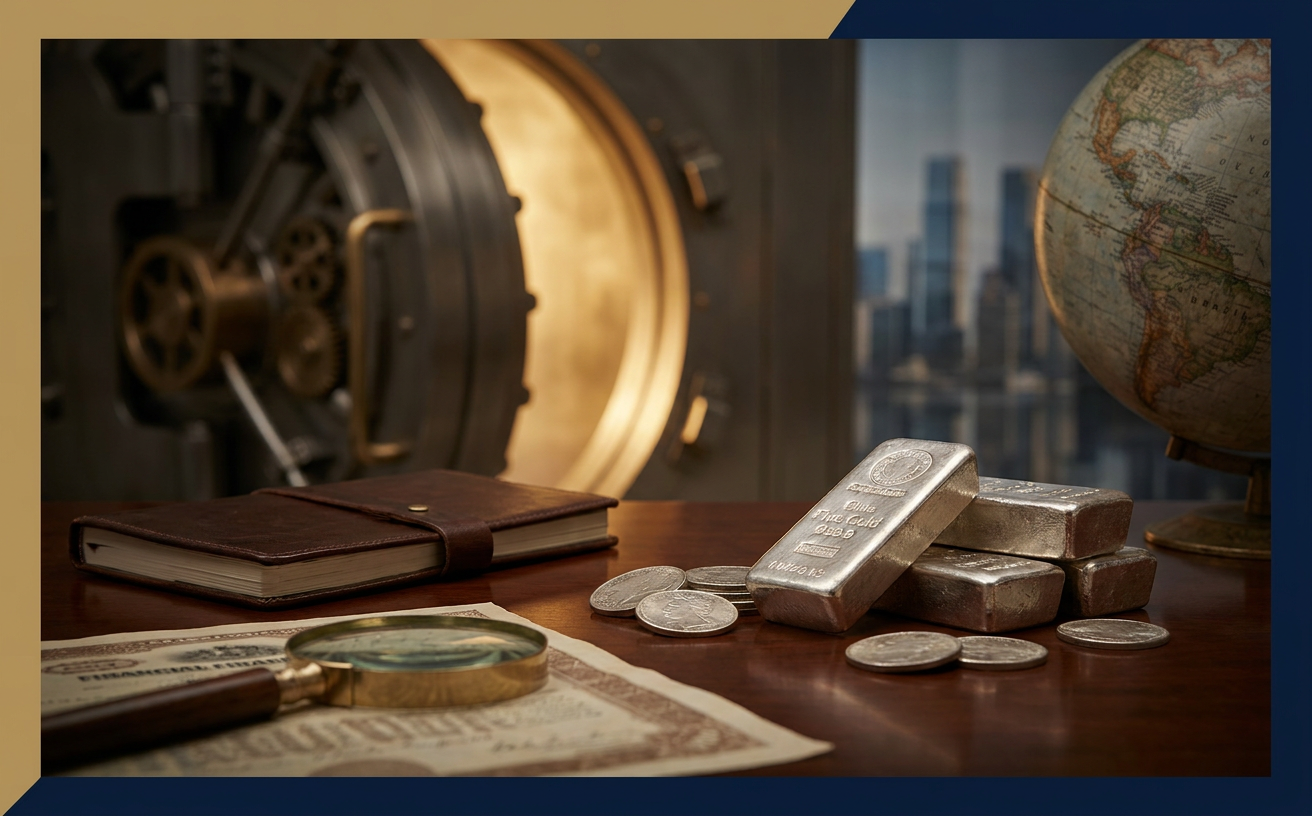
The Rise of Digital Gold: Tokenized Bullion and Blockchain-Backed Metals

Key Takeaways
- 1Digital gold offers a modern way to invest in precious metals, leveraging blockchain for enhanced liquidity and accessibility.
- 2Each digital gold token is typically backed by physical gold held in secure, audited vaults.
- 3Investors should meticulously research reputable platforms, understand the underlying asset, and practice robust digital security.
- 4While offering benefits like lower storage costs and divisibility, investors must consider counterparty risk, regulatory uncertainty, and technological risks.
- 5Digital gold should be part of a diversified portfolio, complementing traditional gold holdings.
Introduction: The Evolution of Gold Investment
Gold has long been a foundational asset in diversified investment portfolios, valued for its role as a store of value and a hedge against economic volatility. Historically, investing in gold primarily involved physical bullion, such as coins and bars, or traditional instruments like gold ETFs and mining stocks. However, the advent of blockchain technology has introduced a novel paradigm: digital gold. This innovative approach tokenizes physical gold, merging the tangible value of the metal with the efficiency and transparency of distributed ledger technology.
For investors aged 45 and above, understanding this evolution is crucial. Digital gold represents a modernization of an age-old asset, offering potential advantages in liquidity, accessibility, and divisibility without entirely abandoning the core principles that make gold an attractive investment.
Understanding Tokenized Gold
What is Tokenized Gold?
Tokenized gold refers to a digital representation of physical gold, where each digital token on a blockchain is backed by a corresponding amount of physical gold held in secure vaults. This process involves a custodian physically holding the gold, while a token issuer creates and manages the digital tokens. Each token typically represents a specific, measurable unit of gold, such as one gram or one troy ounce.
How Does It Work? The Mechanics of Digital Gold
The operational framework of tokenized gold involves several key steps:
- Physical Backing: A designated custodian, often a reputable vaulting service, holds the physical gold. This gold is typically audited to ensure that the amount of physical gold matches the total number of tokens in circulation.
- Token Issuance: A token issuer creates digital tokens on a blockchain (e.g., Ethereum, Solana). These tokens are programmed to represent a direct claim on the underlying physical gold.
- Verification and Auditing: Regular audits by independent third parties are essential to verify that the physical gold reserves match the digital tokens issued. Transparency is a cornerstone, with most platforms providing real-time data on their gold reserves.
- Trading and Transfer: Once issued, these tokens can be bought, sold, and transferred on various cryptocurrency exchanges or peer-to-peer, similar to other digital assets. The blockchain records every transaction, providing a tamper-proof and transparent ledger.
The underlying blockchain technology provides immutability and security, ensuring that ownership records are accurate and resistant to fraud.
Advantages and Considerations for Investors
Potential Benefits of Digital Gold
- Enhanced Liquidity: Digital gold can be traded 24/7 on global exchanges, potentially offering greater liquidity compared to physical gold, which can involve settlement delays and storage logistics.
- Increased Accessibility: Investors can purchase fractions of gold tokens, making it possible to invest smaller amounts than typically required for physical bullion. This lowers the barrier to entry for many investors.
- Lower Storage and Insurance Costs: With physical gold securely vaulted by a third party, investors using tokenized gold can avoid the direct costs and complexities associated with personal storage and insurance of physical bullion.
- Transparency: Blockchain’s decentralized and immutable ledger provides a transparent record of ownership and transactions, enhancing trust.
- Divisibility: Tokens can represent very small units of gold, allowing for precise investment amounts and easier portfolio rebalancing.
Important Considerations and Risks
- Counterparty Risk: While the gold is physical, investors still face counterparty risk associated with the token issuer and the custodian. Due diligence on these entities is paramount.
- Regulatory Uncertainty: The regulatory landscape for digital assets, including tokenized gold, is still evolving. Changes in regulations could impact the value and tradability of these assets.
- Technological Risk: As with any digital asset, there are inherent technological risks, including smart contract vulnerabilities, platform security breaches, and potential loss of private keys.
- Price Volatility: While backed by physical gold, the market price of digital gold tokens can still experience volatility, influenced by both gold market dynamics and broader cryptocurrency market sentiment.
Practical Guidance for Investors Aged 45+
For serious investors considering digital gold, a disciplined approach is recommended:
- Research Reputable Platforms: Select platforms that have a proven track record, clear audit reports, and strong security measures. Examine their custodianship policies and insurance provisions.
- Understand the Underlying Asset: Verify that each token is fully backed by physical gold, ideally with a transparent mechanism for redemption into physical gold if desired.
- Diversification: Digital gold should be considered as part of a diversified portfolio. While it offers unique benefits, it does not replace the traditional role of physical gold or other asset classes.
- Security Best Practices: Utilize strong, unique passwords for all accounts, enable two-factor authentication (2FA), and consider hardware wallets for storing significant holdings of digital gold tokens.
- Stay Informed: The digital asset space is dynamic. Regularly update your knowledge on regulatory developments, technological advancements, and market changes related to tokenized precious metals.
The Future of Gold Investment
The integration of blockchain technology with precious metals marks a significant pivot in how gold can be owned and traded. As the digital infrastructure matures and regulatory clarity increases, tokenized gold is poised to become a more mainstream component of investment strategies. While traditional gold investments will remain relevant, digital gold offers a compelling alternative for those seeking enhanced efficiency and accessibility.
Looking ahead to 2026, macro-economic projections suggest continued interest in precious metals amidst global economic shifts. Gold is projected to reach $5,250 per ounce, and silver is anticipated to climb to $93.50 per ounce. Digital gold will likely track these movements, offering a modernized pathway to participate in the precious metals market.
Found this article helpful?
Take Our 1-Minute Gold IRA Match Quiz
Get a personalized recommendation based on your goals and investment style.
Frequently Asked Questions
Explore Related Topics
For investors who don't have time to chase headlines.
Subscribe to The Precious Metals Report
Everything That Matters. Nothing That Doesn't.
No hype. No noise.
Just industry news — distilled into a short, scannable email.
✔ Price moves ✔ Market drivers ✔ Actionable insights
Editorial Team
Our editorial team covers investing for Precious Metals Report, focused on clear, unbiased reporting and investor education.
Read more from this author