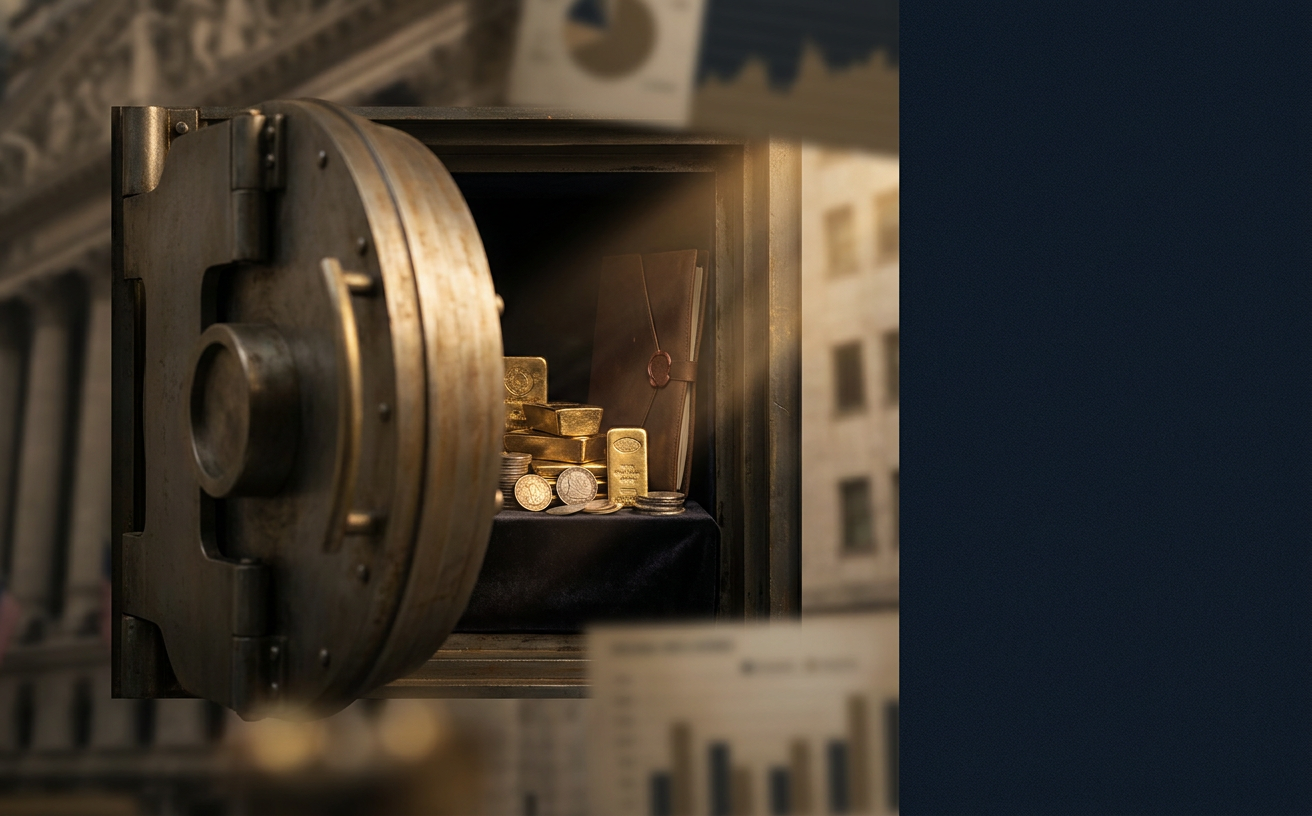
Gold's Enduring Value Through History

Key Takeaways
- 1Gold has been a universal symbol of wealth, power, and spirituality across nearly every major civilization for thousands of years.
- 2Ancient cultures, including the Egyptians and Incas, associated gold with the divine, using it to honor gods and rulers.
- 3In Eastern traditions, such as in India and China, gold continues to be integral to cultural and religious ceremonies, symbolizing prosperity and good fortune.
- 4The historical use of gold in trade, currency, and as a display of status underpins its modern perception as a reliable store of value.
- 5Understanding gold's deep-rooted history can provide investors with a long-term perspective on its place in a diversified portfolio.
While modern investors closely track gold’s short-term price movements, it’s easy to lose sight of the bigger picture. For millennia, gold has been a constant, a universal symbol of wealth, power, and even divinity that transcends cultures and eras. Understanding this long history provides crucial context for why gold remains a cornerstone of investment portfolios today. Its value is not a recent development but a legacy built over 5,000 years of human history.
Gold in the Ancient World
The earliest civilizations recognized gold’s unique properties. Its brilliant luster, resistance to tarnish, and rarity made it the perfect material for representing humanity's highest ideals: royalty, immortality, and the divine.
Ancient Egypt: The Flesh of the Gods
In Ancient Egypt, gold was considered the physical embodiment of the gods, particularly the sun god Ra. This divine association meant its use was reserved for pharaohs and high priests. The Egyptians utilized gold extensively in religious artifacts and to adorn tombs and temples, believing it would ensure the pharaoh's eternal life. The iconic burial mask of Tutankhamun, crafted from over 22 pounds of solid gold, is a testament to the metal's profound spiritual and political importance.
Mesopotamia: A Foundation for Trade and Worship
The Mesopotamian civilizations, among the first to develop urban societies, were also pioneers in the use of gold. Lacking local sources, they established extensive trade networks to import the metal, demonstrating its high demand even in antiquity. Gold was fashioned into intricate jewelry and used to decorate religious artifacts and temples. While not yet coinage, it functioned as a standard of value and a means of exchange, establishing its role in commerce and as a marker of social status.
Cultural Significance in the East
In many parts of Asia, gold’s value is woven deeply into the cultural and spiritual fabric of society, a tradition that continues to influence global demand today.
India: A Symbol of Purity and Prosperity
Gold holds a place of profound cultural and spiritual reverence in India. It is a central element in major life events, especially weddings, where it symbolizes purity, prosperity, and the divine blessings of the goddess Lakshmi. This tradition is ancient, with references to gold appearing in sacred texts like the Rigveda. The consistent demand for gold for jewelry and as a gift for ceremonies makes India one of the largest consumer gold markets in the world, rooted in the belief that the metal brings good fortune.
China: An Emblem of Luck and Imperial Authority
In Chinese culture, gold has long been a symbol of good luck, wealth, and nobility. It is prominently featured during celebrations like the Lunar New Year to attract prosperity for the year ahead. For centuries, gold ingots known as sycees served as a form of currency for high-value transactions. Chinese emperors used gold to signify their divine right to rule, decorating their palaces and persons with the metal to project power and authority.
Gold in the Americas
Before the arrival of Europeans, the civilizations of the Americas had their own rich traditions surrounding gold, valuing it primarily for its spiritual and aesthetic qualities rather than its monetary worth.
The Inca and Aztec Empires: Sweat of the Sun
For the Inca, gold was not a currency but the "sweat of the sun," a sacred substance representing their primary deity. Artisans crafted it into breathtaking ceremonial objects, headdresses, and jewelry for the ruling class. Similarly, the Aztecs used gold for religious offerings and to adorn the nobility. The sheer quantity and artistry of this goldwork were what ultimately drew the Spanish conquistadors, whose quest for the metal led to the conquest of these empires, forever altering the course of history in the region.
From History to Modern Portfolios
The consistent reverence for gold across disparate cultures and thousands of years is no coincidence. Its visual beauty, scarcity, and incorruptibility gave it a "store of value" status long before financial markets existed. This long-standing history as a symbol of enduring wealth and a medium of exchange underpins its role today as a key investment asset. When investors buy gold, they are not just buying a commodity; they are buying into a 5,000-year-old tradition of preserving wealth.
This article is for educational purposes only and is not intended as investment advice. Investors should conduct their own research and consult with a qualified financial advisor before making any investment decisions.
Source: The Historic Significance of Gold Across Civilizations
Found this article helpful?
Take Our 1-Minute Gold IRA Match Quiz
Get a personalized recommendation based on your goals and investment style.
Frequently Asked Questions
Explore Related Topics
For investors who don't have time to chase headlines.
Subscribe to The Precious Metals Report
Everything That Matters. Nothing That Doesn't.
No hype. No noise.
Just industry news — distilled into a short, scannable email.
✔ Price moves ✔ Market drivers ✔ Actionable insights

Vincent Edwards
Our editorial team covers market for Precious Metals Report, focused on clear, unbiased reporting and investor education.
Read more from this author